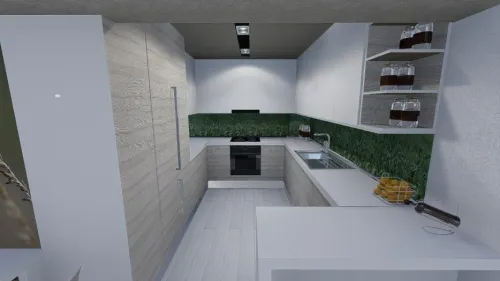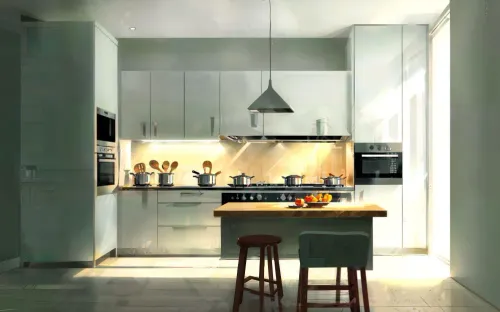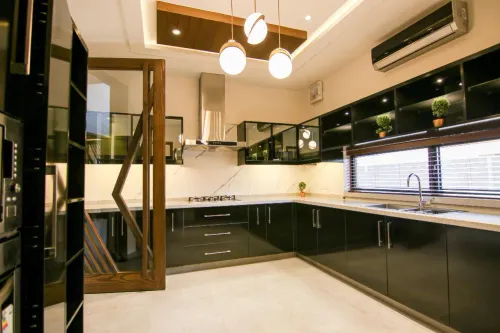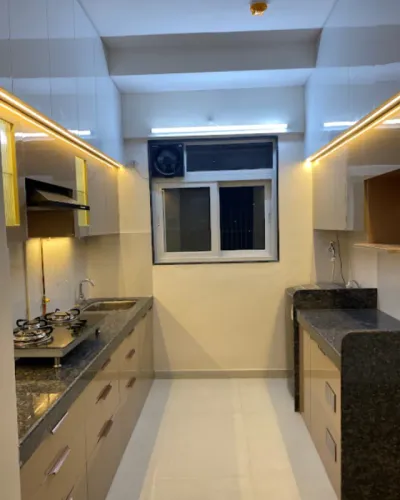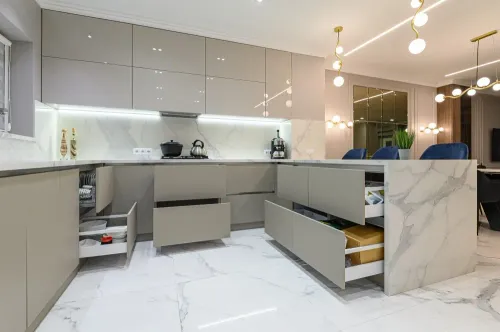
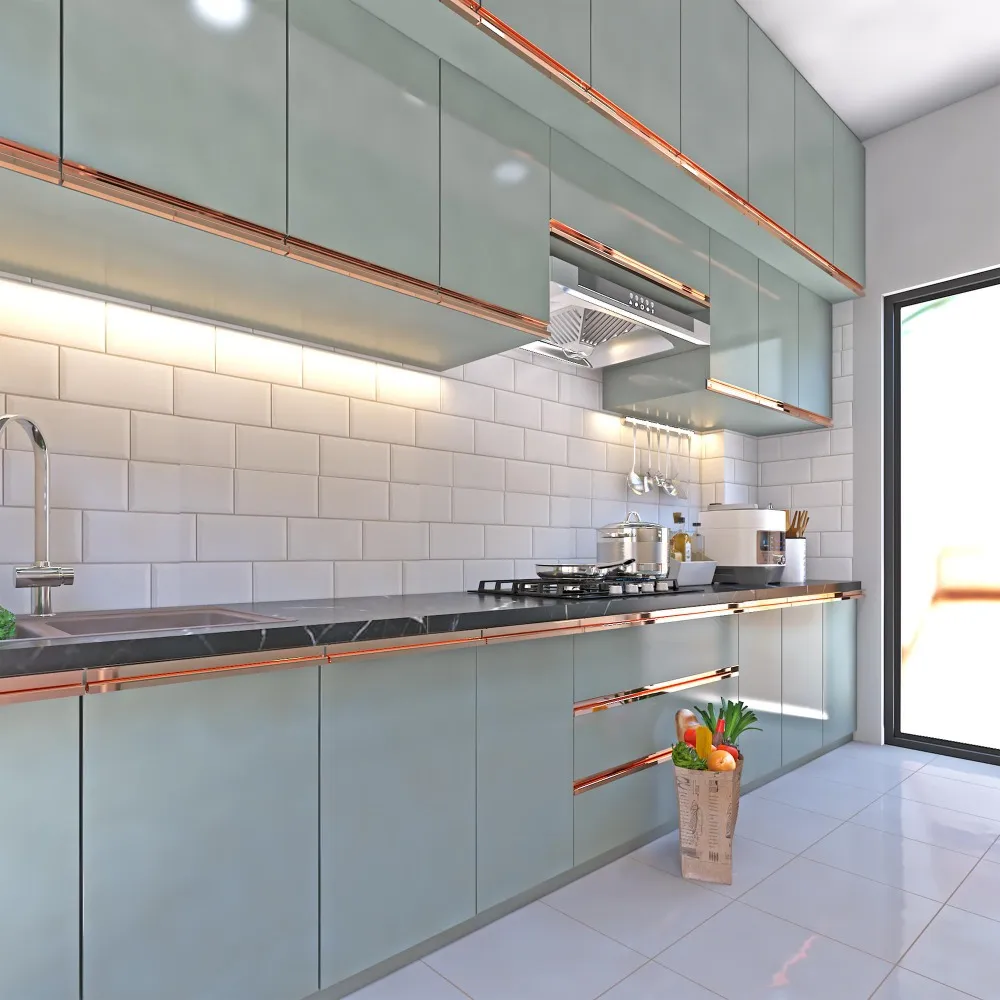
An acrylic modular kitchen is often chosen for its smooth surface, contemporary appearance, and polished visual character. The finish can work particularly well in modern apartments, but appearance should not be the only factor considered before making a decision.
Homeowners in Thane should evaluate acrylic alongside their cooking habits, cleaning expectations, lighting, budget, and overall interior style.
What Gives Acrylic Kitchens Their Distinctive Look?
Acrylic kitchen shutters typically have a refined, uniform surface that can create a sleek modern appearance.
High-gloss options reflect light effectively, which may help a kitchen feel brighter. This can be useful in urban apartments where the kitchen has limited natural light.
Acrylic finishes are also available in a range of colours, making them suitable for monochrome designs, two-tone kitchens, and combinations with wood-inspired finishes.
Where Does Acrylic Work Particularly Well?
Acrylic can be a good fit when homeowners want:
- Clean contemporary styling
- Smooth cabinet fronts
- Strong visual consistency
- Reflective surfaces
- Bold or neutral colour combinations
In an open kitchen, acrylic cabinetry can also contribute to a more polished transition between the kitchen and adjoining living spaces.
However, the final result depends on more than the shutter finish. Countertops, backsplash materials, handles, lighting, flooring, and wall colours all influence the appearance.
Glossy or Matte?
Glossy acrylic surfaces create stronger reflections and can give the kitchen a brighter, more striking character.
Matte finishes offer a more understated look and may work better in interiors where excessive reflection is undesirable.
There is no universal winner. The decision should reflect the amount of natural light, cabinet colour, room size, and maintenance preferences.
Viewing larger physical samples can be more useful than selecting a finish from a digital image.
What About Cleaning?
Kitchen shutters are regularly exposed to fingerprints, oil residue, moisture, and food splashes.
Smooth surfaces are generally straightforward to wipe, but darker glossy finishes may make fingerprints or marks more noticeable. Regular cleaning with appropriate products helps maintain the appearance.
Homeowners should ask the kitchen provider for specific care guidance because abrasive materials or unsuitable cleaning chemicals can affect certain surfaces.
Acrylic Should Be Evaluated as Part of the Complete Cabinet
A common mistake is comparing kitchens only by their external finish.
The performance of the overall kitchen also depends on:
- Base material used for shutters and cabinets
- Edge finishing
- Hinges and drawer channels
- Installation quality
- Internal accessories
- Moisture management
Two kitchens described as “acrylic” can therefore differ in construction and overall quality.
Consider the Rest of Your Interior
Thane homeowners planning complete home interiors should think about how the kitchen relates to adjacent spaces.
For example, a high-gloss kitchen can create an attractive contrast with a subtle living room, while a softer acrylic palette may suit a home with restrained contemporary furniture.
Kitchen Gallery can help homeowners compare acrylic finishes with other modular kitchen options while considering the actual room dimensions and design preferences.
An acrylic modular kitchen can be an attractive choice when its appearance and maintenance characteristics match the household. Rather than selecting it because it is fashionable, examine full-size samples, understand the underlying materials, and consider how the finish will behave in your everyday kitchen environment.
Keywords