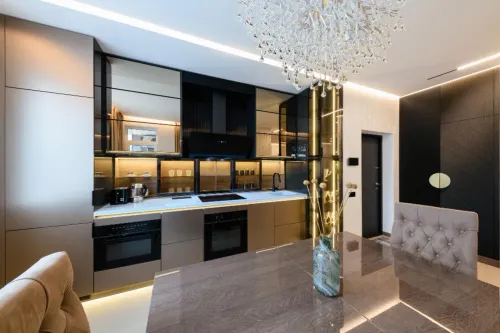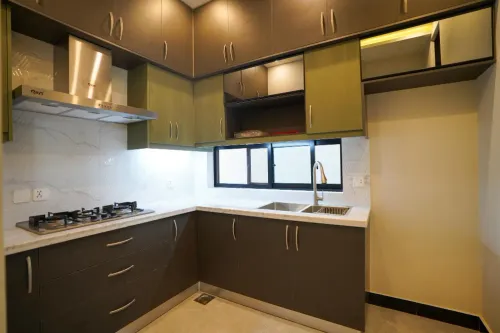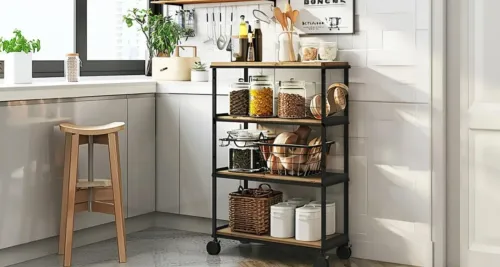
A kitchen renovation is often triggered by outdated colours or worn finishes, but appearance is only one reason to upgrade. Poor storage, damaged cabinets, inconvenient counters, inadequate lighting, ageing hardware, and unsuitable appliance positions can all make an existing kitchen frustrating to use.
For homeowners in Thane, evaluating these problems before renovation can help determine whether minor improvements are sufficient or a more complete redesign is justified.
Storage No Longer Matches Your Needs
Households change over time.
You may now own more cookware, appliances, grocery containers, or serving items than when the kitchen was originally designed.
If countertops have become permanent storage surfaces because cabinets are inaccessible or insufficient, reorganising the internal layout may provide more value than simply replacing shutters.
A renovation is an opportunity to decide what should be stored where.
Cabinet Hardware Is Repeatedly Failing
Loose hinges, difficult drawers, damaged channels, and misaligned shutters can make a kitchen feel older than it is.
Individual components can sometimes be repaired. However, if several cabinets are deteriorating or the underlying construction has been affected by long-term use or moisture, broader renovation may be worth evaluating.
A site inspection can help determine what can reasonably be retained.
Your Worktop Has Become Too Crowded
Modern kitchens often contain appliances that were not considered in older layouts.
Microwaves, water purifiers, air fryers, coffee machines, and other devices can gradually consume preparation space.
During renovation, appliance locations can be reconsidered so the counter serves as a working surface again.
Electrical Points Are in the Wrong Places
Extension boards and inconvenient sockets are signs that the electrical plan may no longer suit the kitchen.
A renovation provides an opportunity to review appliance points, chimney requirements, lighting, and other electrical needs before new cabinetry is installed.
Electrical work should be planned safely by appropriate professionals and coordinated with the kitchen design.
Cleaning Has Become Difficult
Deep inaccessible shelves, awkward corners, deteriorated surfaces, and cluttered counters can make routine cleaning unnecessarily time-consuming.
New storage configurations can improve accessibility, while suitable finishes can make regular maintenance simpler.
This does not mean adding elaborate accessories everywhere. Often, fewer but better-planned storage zones provide the most practical improvement.
The Layout Creates Unnecessary Movement
If you repeatedly walk across the kitchen to retrieve basic utensils or ingredients, the problem may be the layout rather than the room size.
Renovation allows the cooking, washing, preparation, and storage zones to be reconsidered.
Even when plumbing locations cannot easily change, cabinet interiors and appliance placement may still be improved.
Plan for the Disruption Before Work Begins
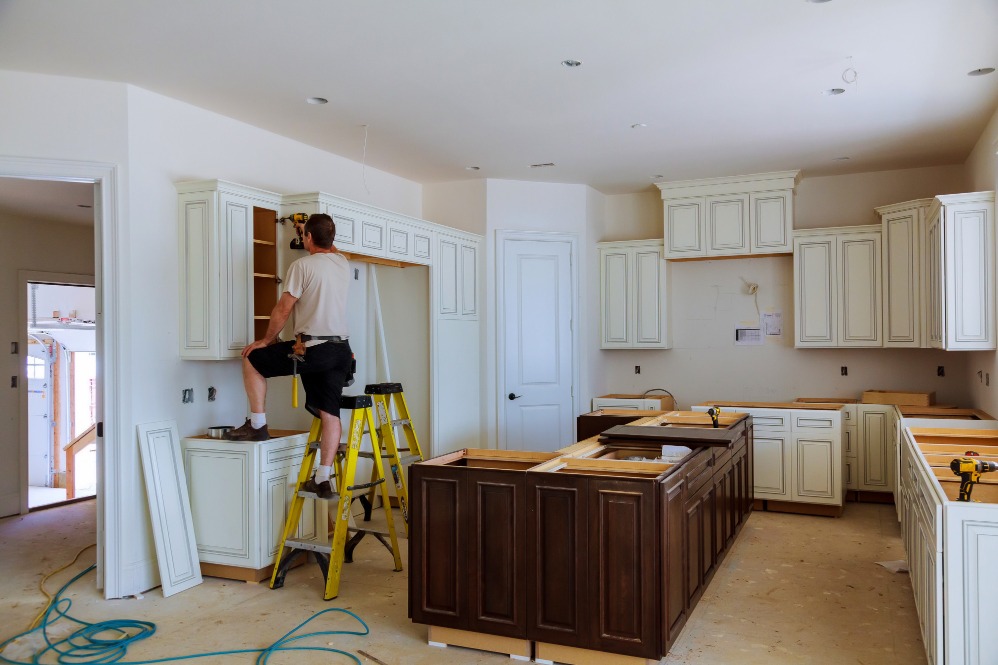
Renovating an existing kitchen requires more coordination than installing cabinetry in an empty new home.
Homeowners should clarify what needs removal, what will be retained, whether plumbing or electrical work is involved, and how the installation sequence will proceed.
Kitchen Gallery can evaluate kitchen renovation requirements for homes in Thane and recommend solutions based on the existing site and desired changes.
A successful renovation should solve the reasons the old kitchen stopped working well. When storage, movement, appliances, lighting, and maintenance are addressed together, the result can feel substantially different without relying on cosmetic changes alone.
Keywords